
Career Advice
How to become an SEN tutor in the UK
TL;DR: To become an SEN tutor in the UK, you need strong subject knowledge, experience working with children, an enhanced DBS check and a calm, patient approach. Qualified teacher status can help but is not always required. This guide explains the steps, from building experience to finding funded work.
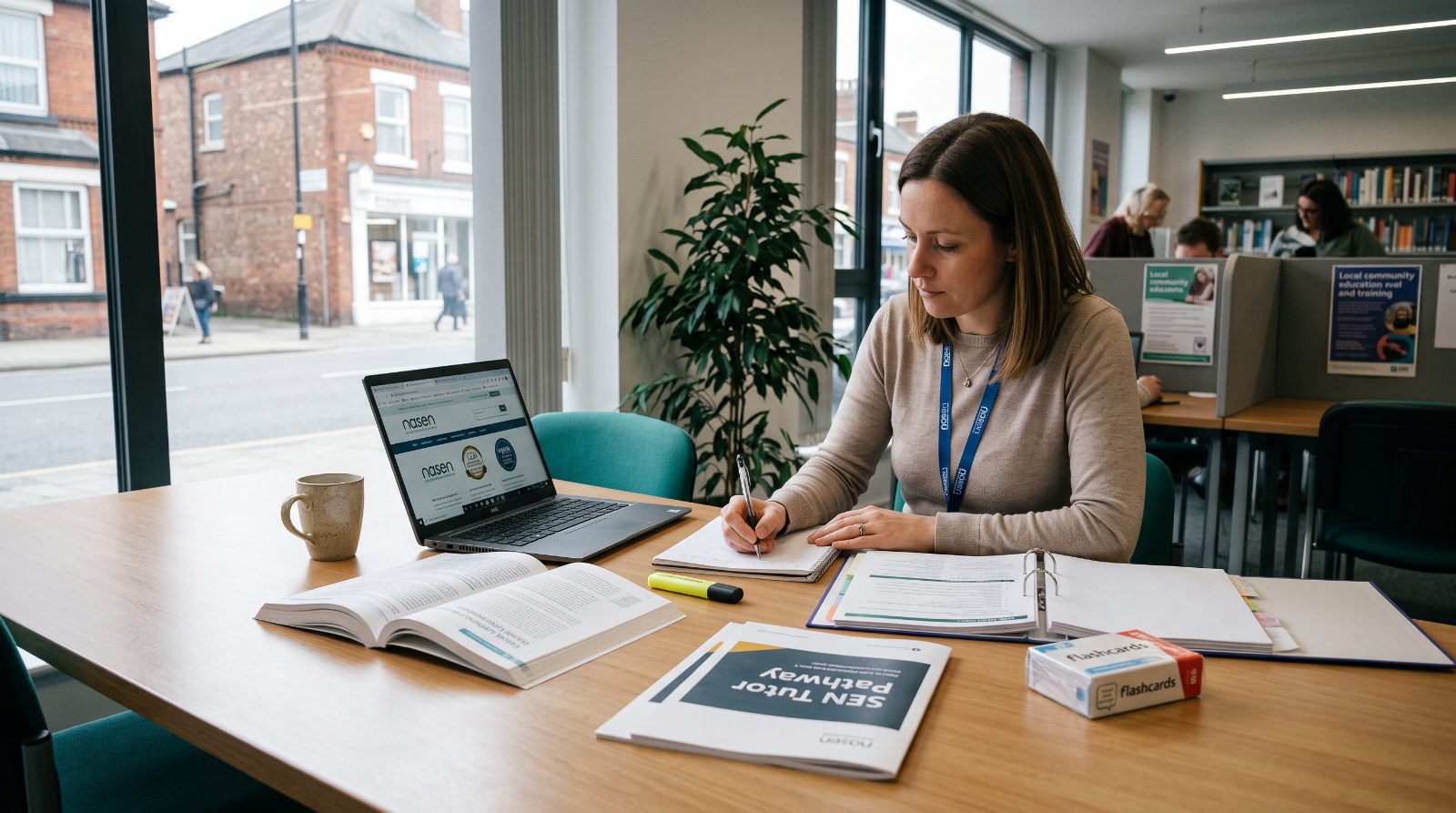
If you enjoy helping children learn in a way that works for them, learning how to become an SEN tutor in the UK could open up rewarding, flexible work. SEN tutors support pupils with special educational needs, giving individual attention that can make a real difference to confidence and progress.
This guide explains what the role involves, what experience and checks you need, and how to take your first steps.
What does an SEN tutor do?
An SEN tutor works one to one with a pupil who has special educational needs or a disability. You might help a child with dyslexia build reading skills, support a pupil with autism to prepare for exams or help a young person who has been out of school return to learning.
Sessions are planned around the pupil. You adapt your pace, your materials and your communication, and you work with the school and family so that your sessions fit the wider support around the pupil. Many tutors work with pupils who have an education, health and care plan, with tuition funded by the school or local authority.
718,838
EHC plans in place in England in January 2026, 12.5% more than a year earlier
DfE, Education, health and care plansSkills and qualities that matter
Patience and empathy come first. Pupils with SEN may find learning harder or may need more time to feel safe, and your calm manner helps them engage. Clear communication, flexibility and creativity are equally important, because the first approach does not always work.
Subject knowledge matters too. Primary tutors need confidence in phonics, reading, writing and maths, while secondary and A-Level tutors need depth in their subject. If you can explain ideas in more than one way, you will be a strong tutor.
Qualifications and experience
There is no single route to becoming an SEN tutor. Some tutors are qualified teachers or teaching assistants. Others have a degree, strong subject knowledge and experience in youth work, mentoring or support roles. Qualified teacher status can help you stand out, and experience with particular needs, such as autism, ADHD, dyslexia or social, emotional and mental health needs, is often valued.
If you are new, build experience first. Volunteer in a school, support a youth group, or work as a teaching assistant. You can also take short courses on SEND, safeguarding and behaviour to strengthen your knowledge.
Checks you will need
Anyone working one to one with children needs the right safeguarding checks. With Humly, you complete an enhanced DBS check, identity verification, references and a review of your qualifications. These checks protect pupils and give schools confidence in the tutors they work with.
Finding SEN tutoring work
Many SEN tutors find work through partners who place tutors with schools and local authorities. Humly places 1:1 tutors with pupils whose tuition is funded, so you do not need to find private clients or send invoices yourself. You choose bookings by subject, level, location and time, and sessions can take place in school, at home, in a community space or online.
Once you have registered and completed your checks, you can start choosing work that suits you.
Training that can help you stand out
Short courses can boost your confidence and your profile. Look for training in areas such as autism awareness, dyslexia, speech and language needs, positive behaviour support and safeguarding. Many are available online and can be completed in your own time. Keep a record of what you have done, with dates and certificates, and mention relevant learning when you describe your experience. Schools notice tutors who keep learning, because it shows commitment to the pupils they work with.
Taking your first step as an SEN tutor
Becoming an SEN tutor is a journey, and you can build your experience over time. Start with what you have, add experience and training, complete your checks and explore funded work. If you are ready, register your interest and our team will help you take the next step.
Ready to start tutoring?
Explore funded 1:1 tuition work across the UK and choose bookings that fit your life.
Explore tuition work with Humly