School Management
1:1 tuition for pupils who are out of school: how to support a return to learning
TL;DR: When a pupil is out of school because of medical needs, social, emotional and mental health needs or a difficult transition, 1:1 tuition can keep learning going and support a gradual return. Good planning starts with the pupil's plan, a clear aim and close communication with families. This guide sets out practical steps for schools.
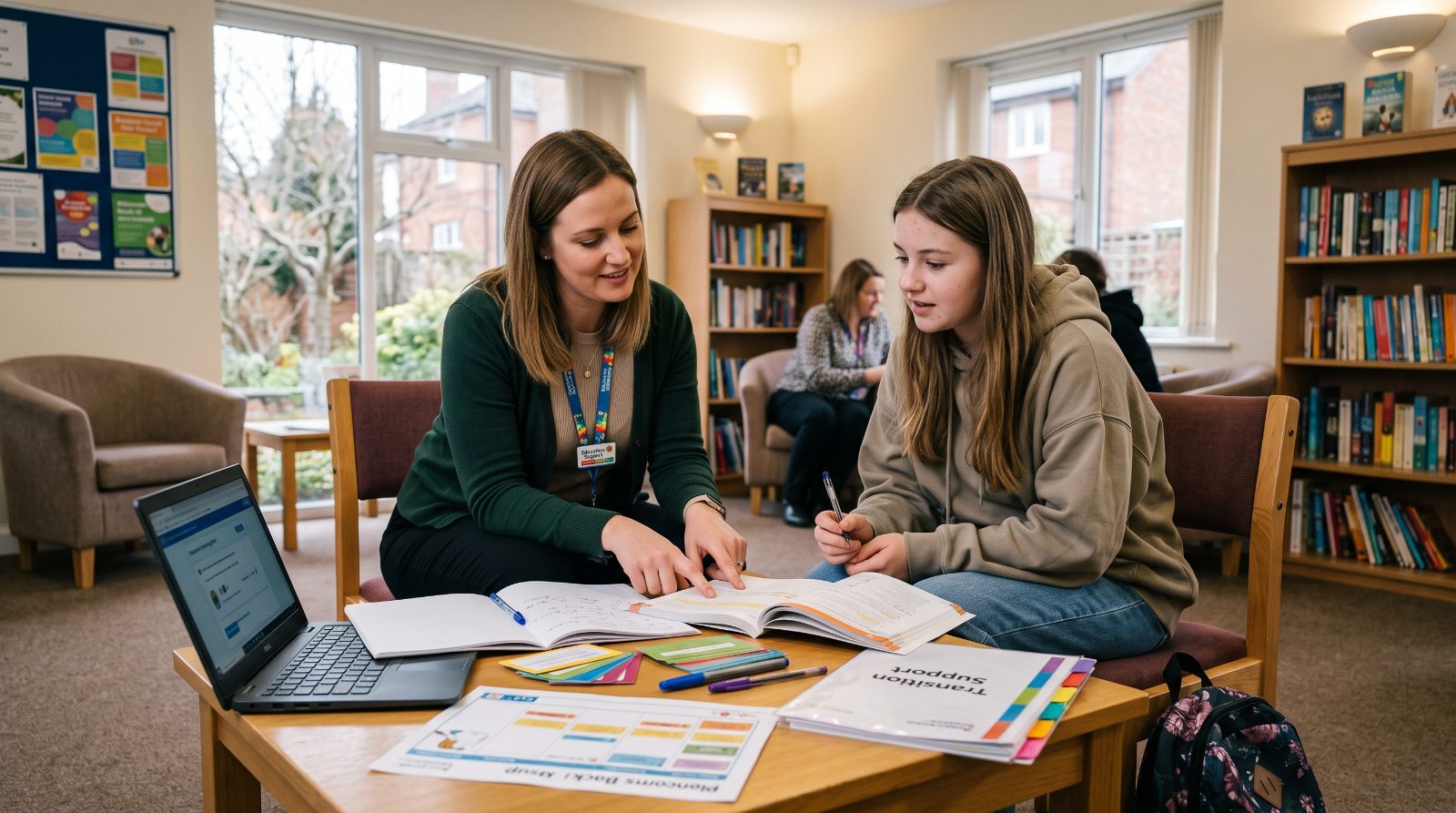
Every school leader knows the worry that comes when a pupil is out of school. Whether the reason is medical, linked to social, emotional and mental health needs, or part of a difficult transition, time away can affect learning, friendships and confidence. 1:1 tuition for pupils who are out of school can help keep learning going and make a return feel more achievable.
This guide looks at when tuition can help, how to plan it with the pupil and family, and how to keep the focus on a gradual, supported return.
When 1:1 tuition can help
There are many reasons a pupil may be away from school for a period. Some have long term medical needs or are recovering from illness. Others find school overwhelming because of anxiety, sensory needs or earlier experiences. Some are between settings or waiting for a new placement.
In each case, individual teaching offers something valuable: a calm, predictable relationship with an adult, a pace set by the pupil and a way to keep learning without the pressure of a full classroom. It can also give families reassurance that learning has not stopped.
Start with the pupil and their plan
Where a pupil has an education, health and care plan, read it closely to see what provision is expected and what outcomes are being worked towards. If there is no plan, talk to the family, the pupil and any professionals involved, such as health teams or the local authority, so that tuition fits the wider support around the pupil.
Agree the purpose of tuition. It might be to keep core subjects moving, to rebuild routines, to prepare for exams or to support a gradual return to school. Clear aims make it easier to choose the right tutor and to measure progress.
Plan sessions that feel safe and manageable
Short, regular sessions often work better than long ones, especially at the start. Think about where the pupil will feel most comfortable. This might be at home, in a library or community space, online or in a quiet room at school. Let the pupil have a say where possible.
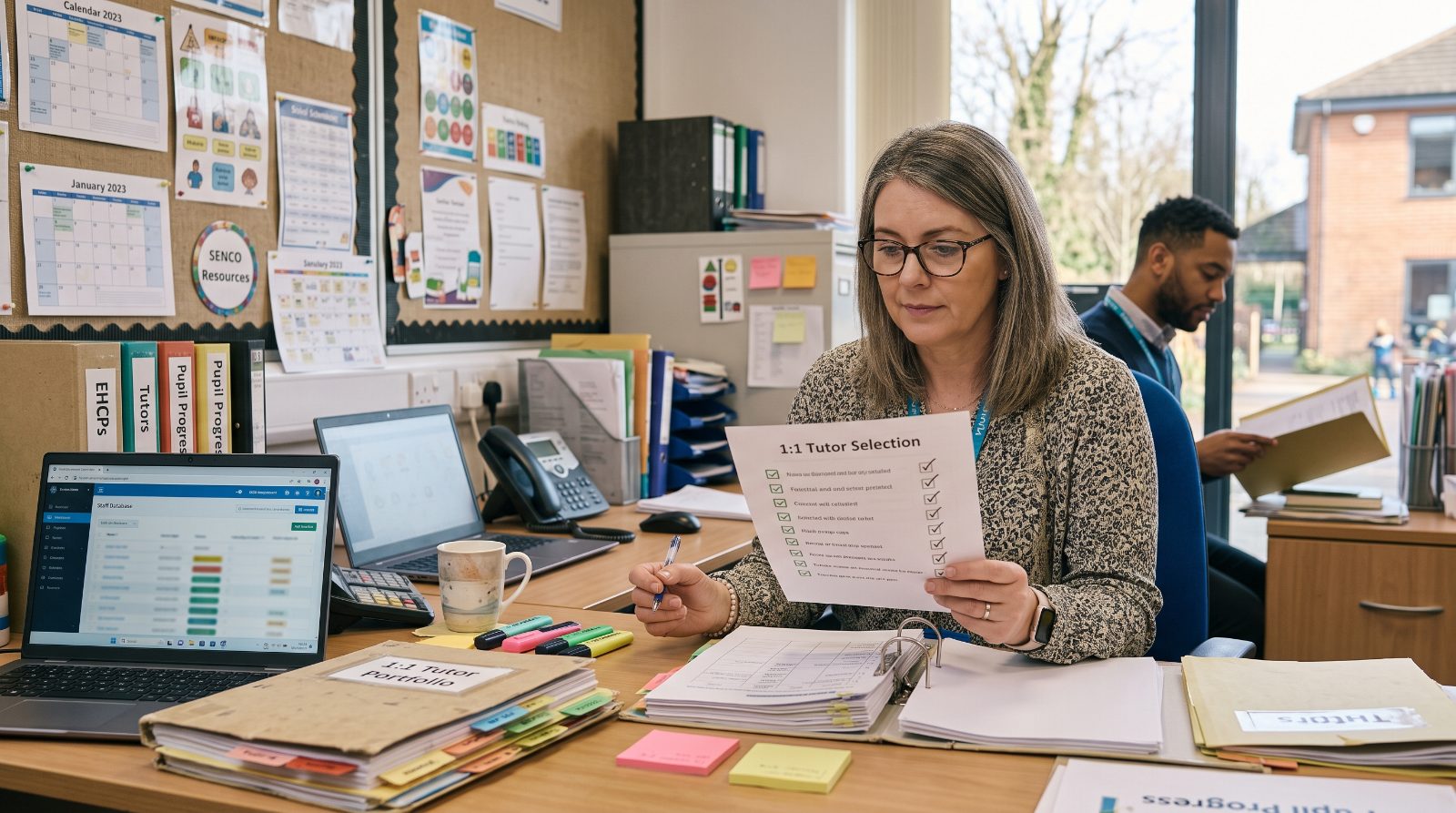
Match the tutor to the pupil. Look for someone patient and calm with experience of the pupil's needs, and make sure the right safeguarding checks are in place. An enhanced DBS check, identity verification, references and a qualification review are the usual starting point.
“For a pupil who has been away from school, the first goal is often trust. Learning follows.”
Keep school connected
Even when a pupil is learning elsewhere, staying connected to school helps. Share the curriculum and key resources with the tutor, invite the pupil to take part in small ways, such as a message from their class, and keep a named member of staff in touch with the family.
Ask the tutor for short notes after sessions, covering what was done, how the pupil engaged and any concerns. These notes help you spot patterns, adjust the plan and show progress to families and professionals.
Planning a return to school
Tuition should connect to a wider plan, not stand alone. Review progress regularly with the family and, where relevant, other professionals. Think about small steps, such as visiting school when it is quiet, attending one lesson or meeting a trusted adult. The tutor can support these steps by helping the pupil prepare and reflect.
Return plans do not always run in a straight line. Be flexible and celebrate small gains.
Supporting pupils who are out of school with the right partner
A specialist partner can help you find suitably checked tutors and arrange sessions in the places that work for the pupil. Humly works with schools and local authorities to place tutors with pupils who need funded 1:1 support, including pupils out of school for medical or social, emotional and mental health reasons. If you would like to talk through a pupil's situation, we are happy to help.
Support a pupil who is out of school
Talk to us about funded 1:1 tuition and how we can help you plan it.
Find out about tuition for schools